Drupal 7 Alpha 1 was released a few days ago, on January 15, 2010. This is an exciting release for the Drupal community and Drupal fans everywhere. Drupal 7 has introduced some exciting new changes in terms of a new admin UI and incorporation of major elements of CCK into the core. In this screencast, we will install the alpha1 version and explore the backend a bit.
[Read more →]
Exploring Drupal 7 Alpha 1 – Screencast
January 24th, 2010 · Drupal, Screencasts · 11 Comments
→ 11 CommentsTags: Drupal·Drupal7
Interview with Jason Coward (aka OpenGeek) – MODx Co-Founder & Lead Architect
January 19th, 2010 · MODx, People · 6 Comments
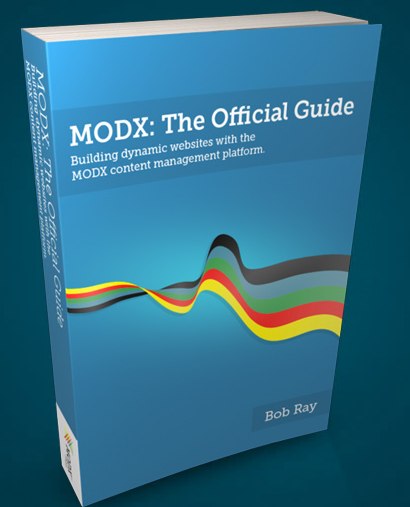
In this interview, I talked to Jason Coward, MODx Co-Founder and Lead Architect and he gives us some insights about himself, the MODx project, and what’s coming. Enjoy
1. Hi Jason, thanks for making the time out of your crazy schedule to answer some questions for us. Can you start by telling us a bit about yourself?
My name is Jason Coward, and I am 38 years old. I am one of the original founders of the MODx project, founder of the xPDO project, and CTO of Collabpad, the company which supports the MODx Founders and makes the MODx project and community possible. I work from my home office on a mountain just outside of Taos, New Mexico, where I have recently relocated. I have a wonderful girlfriend, Christina, who I’ve been with for the past 16 years, and three male cats. I’ve been a drummer for over 25 years, playing a variety of styles including jazz, country, rock, and Americana. Pool is my game of choice, especially 9-ball. I also enjoy hiking, camping, and digital photography.
2. What is your development background? When did you start programming, what languages have you worked with? [Read more →]
→ 6 CommentsTags:
MODx Evolution: Creating a Simple Custom Snippet Part 4 – Optimize with Caching
January 16th, 2010 · MODx, PHP, Tutorials · No Comments
Part 0: Introduction
Part 1: Write and Test the PHP Script
Part 2: Create the Snippet
Part 3 – MODx API, Placeholders, Chunks
In the fourth part of this brief series on creating a custom MODx Evolution snippet, we’re going to do some optimizing to make our snippet a little more efficient. So far the snippet seems to be working as expected and is pulling in the feeds as needed. However, it’s a little inefficient. The way things are set up now, every time someone refreshes the page, the script fetches a new copy of the rss feed from the coding pad, or whatever source you’re pulling your feeds from. If you have a heavily trafficked site where people spend a lot of time on your site and visit many pages (thus, for example, constantly refreshing your snippet call in the sidebar), this can be resource heavy on both your side slowing your website down, and also on the web server that you’re pulling the feeds from. We can mitigate this by implementing caching.
MODx Evolution: Creating a Simple Custom Snippet Part 3 – MODx API, Placeholders, Chunks
January 15th, 2010 · MODx, Tutorials · 4 Comments
Part 0: Introduction
Part 1: Write and Test the PHP Script
Part 2: Create the Snippet
So far we have created the raw PHP script and tested the code outside of MODx. We’ve started the process of transforming this script into the rssfeedFetcher snippet and we have it working on the Learn MODx website. We’ve learned how to add optional parameters with default values to our call and everything seems to be working as expected. At the close of the last segment, I mentioned that our snippet is still relatively inflexible because the user has no control over how the output looks. We’re going to rectify this today by tapping a little into the MODx API to create placeholders and utilize chunks to allow for some templating and customization of the output.
MODx Evolution: Creating a Simple Custom Snippet Part 2 – Create the Snippet
January 14th, 2010 · MODx, Tutorials · 9 Comments
Part 0: Introduction
Part 1: Write and Test the PHP Script
In the last installment of this brief series we went through the process of creating the raw PHP script that will form the basis of our snippet. We tested the code outside of MODx and it seemed to work pretty well. In this part, we’re going to start the process of transforming this script into a MODx snippet. As I said before, I will be working on the Learn MODx website that we built during the MODx Beginner series of tutorials. My goal is to use the snippet to add one or maybe two sections of MODx related feeds to the sidebar of the website. But first, we need to create the snippet itself, so let’s get to work